


Sustainability is about what can endure and be maintained over time; the concept of regeneration goes further. It is about what can not only stand the test of time but also renew what has been depleted, repair what has been damaged, and leave systems stronger than we found them.
The term ‘regenerative’ is increasingly used in many different contexts, and its meaning can easily become blurred. The word comes from the Latin regenerare, meaning “to bring forth again” or “create anew”. Regeneration, therefore, means going beyond simply reducing harm or maintaining what we have, and actively seeking to restore, repair, renew and improve the systems on which we depend.
In the context of a regenerative smallholding, and regenerative land stewardship in general, we need to think about the term ‘systems’ in as broad a context as possible.
There is, of course, the ecology of the land itself: soil, water, plants, animals, habitats and biodiversity. But there are also the people who live on the land, the homes and infrastructure they create, the livelihoods that support them, and the relationships they have with their neighbours and wider communities.
By looking at each of these areas, we can ensure that we are not just building a smallholding that can last, but a truly regenerative smallholding, that contributes, in a small way, to solutions for the many global crises we face.
Ecologically Regenerative Design & Land Stewardship
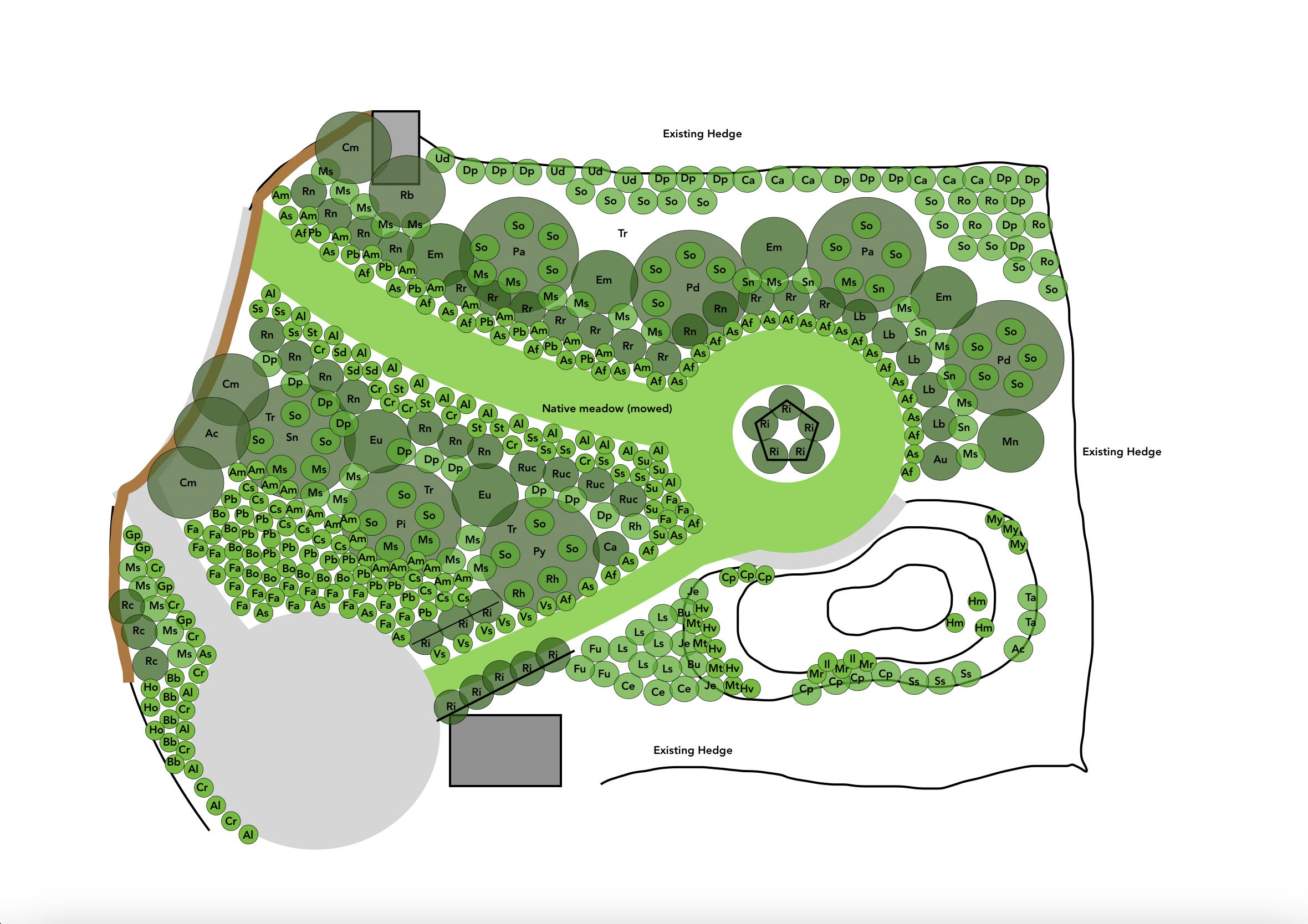
Any regenerative smallholding begins with good design: a blueprint to work towards that helps us to understand how we can slowly build more highly-functioning, biodiverse ecosystems over time and leave the land better than we found it.
Of course, however, it does not end with an initial design. Designs alter over time, and the complexities of land stewardship can deepen our understanding of and relationship with the land we steward.
If we want to create regenerative smallholdings, we need to think of ourselves not as the owners of a piece of land, but as its custodians, safeguarding that land and improving it for future generations.
Regenerative Homes and Regenerative Families
A smallholding is a place where people live as well as a place where things are grown, raised or produced. If the work required to maintain it leaves a family permanently exhausted, financially precarious or disconnected from the rest of society, it is difficult to argue that the system as a whole is regenerative.
This thought really brings to the fore the fact that the home itself needs to be considered part of the regenerative system – not just the material building, but the life built within it.
A smallholding needs to fit around the lives of the people who live there, rather than attempting to fit family life around an endlessly expanding list of smallholding tasks.
A regenerative household should ideally become more capable over time: learning how to manage the land, repair things, grow food, preserve harvests, care for animals, understand the local ecology and solve problems with fewer external inputs. (Next month, we’ll look at some of the skills I think are most important for smallholders.)
On a successful regenerative smallholding, a feedback loop should be created where those who nurture the land are in turn nurtured by the land in a range of practical, spiritual and emotional ways.
Regenerative Smallholdings as Part of Broader Communities
A truly regenerative smallholding can, of course, bring advantages far beyond the boundaries of the land itself.
One of the mistakes people make in creating a smallholding is thinking that it can be cut off entirely from the outside world. In reality, of course, no matter how remotely we live, and how self-sufficient we are, we are still a part of the broader communities around us.
Playing a role in broader communities at a range of scales is one of the important things for smallholders or homesteaders that is often overlooked.
With a regenerative approach, we don’t take a bunkered, isolationist approach but rather ask ourselves how we can help make things better on a macro level as well as a micro one, feeding back into our local communities and into the wider world.
Can we buy more from local businesses? Can we share tools or machinery? Can we exchange skills with neighbours? Can we provide surplus produce to others? Can we create employment or support local enterprises? Can we participate in community projects? Can we pass on knowledge?
Sometimes regeneration may be something as simple as helping a neighbour repair a fence. Sometimes it may involve much larger projects: community orchards, shared growing spaces, local food networks, cooperative enterprises, habitat restoration or renewable energy schemes.
The important point is that the boundaries of the smallholding are not the boundaries of its impact. A regenerative smallholding should ideally feed positive effects outward, into the community and landscape around it.
As smallholders, we cannot ‘change the world’ through our actions alone. But it is important to remember that thousands of relatively small smallholding decisions, replicated across landscapes and communities, can contribute to systemic change.
A regenerative smallholding cannot solve the climate crisis, biodiversity loss, the mental health crisis or the growing threats to democracy and social cohesion on its own. But it can become a small, practical response to many of the forces behind them.
By restoring soils and habitats, storing carbon, supporting biodiversity, producing food, reducing dependence on fragile supply chains, creating meaningful work and connection, and strengthening relationships between people and place, smallholdings can help build healthier and more resilient communities.
At a time when the future can feel increasingly uncertain, creating places where people can cooperate, care for land, develop practical skills and experience their ability to make a positive difference may be one small but meaningful way of building hope and resilience in the face of wider crises.
What Does a Regenerative Smallholding Actually Look Like?
When first learning about regenerative approaches to smallholding, it can be tempting to look for lists itemising the practices, or features of a regenerative smallholding. But regenerative thinking does not allow for a one-size-fits-all approach.
A regenerative smallholding in the Scottish Highlands, for example, will obviously look and feel extremely different from one in Wales or southern England. Different soils, climates, landscapes, ecosystems, resources and communities create different opportunities and constraints.
There is also no single list of practices that automatically makes a smallholding regenerative. No-till, agroforestry, rotational grazing, ponds, orchards, composting, and hedgerows can all form part of a regenerative system, but simply adopting a particular practice does not make a smallholding regenerative. Rather, we need to ask ourselves whether, overall, a smallholding is becoming healthier, more resilient and more capable over time.
What we can do is look at the broad characteristics of a regenerative smallholding.
A regenerative smallholding should:
Protect and improve soil rather than extracting fertility from it and depleting it over time.
Work wisely with water, slowing, spreading, sinking, and storing water across the land.
Improve existing ecosystem function and boost biodiversity over time.
Have diverse systems that work together as a whole, creating many beneficial interactions.
Avoid unnecessary dependence on external inputs.
Think beyond food production and recognise a wide range of other tangible and intangible yields.
Have people who are thriving, not just surviving. (And provide the greatest benefits without exhausting those who tend it.)
Have an economic system sufficiently resilient to support the household and continue the work of stewardship. (Though it is important to note that there is no requirement for the land itself to provide every pound of household income. In fact, separating the financial survival of the household from a drive to extract maximum financial value from the land may sometimes make better stewardship possible.)
Be connected to its wider community, thinking beyond its own borders.
Be better in ten years than it is today. It is important to remember that a regenerative smallholding is not a finished product. It is a process.
Looking for Regenerative Potential When Buying Land
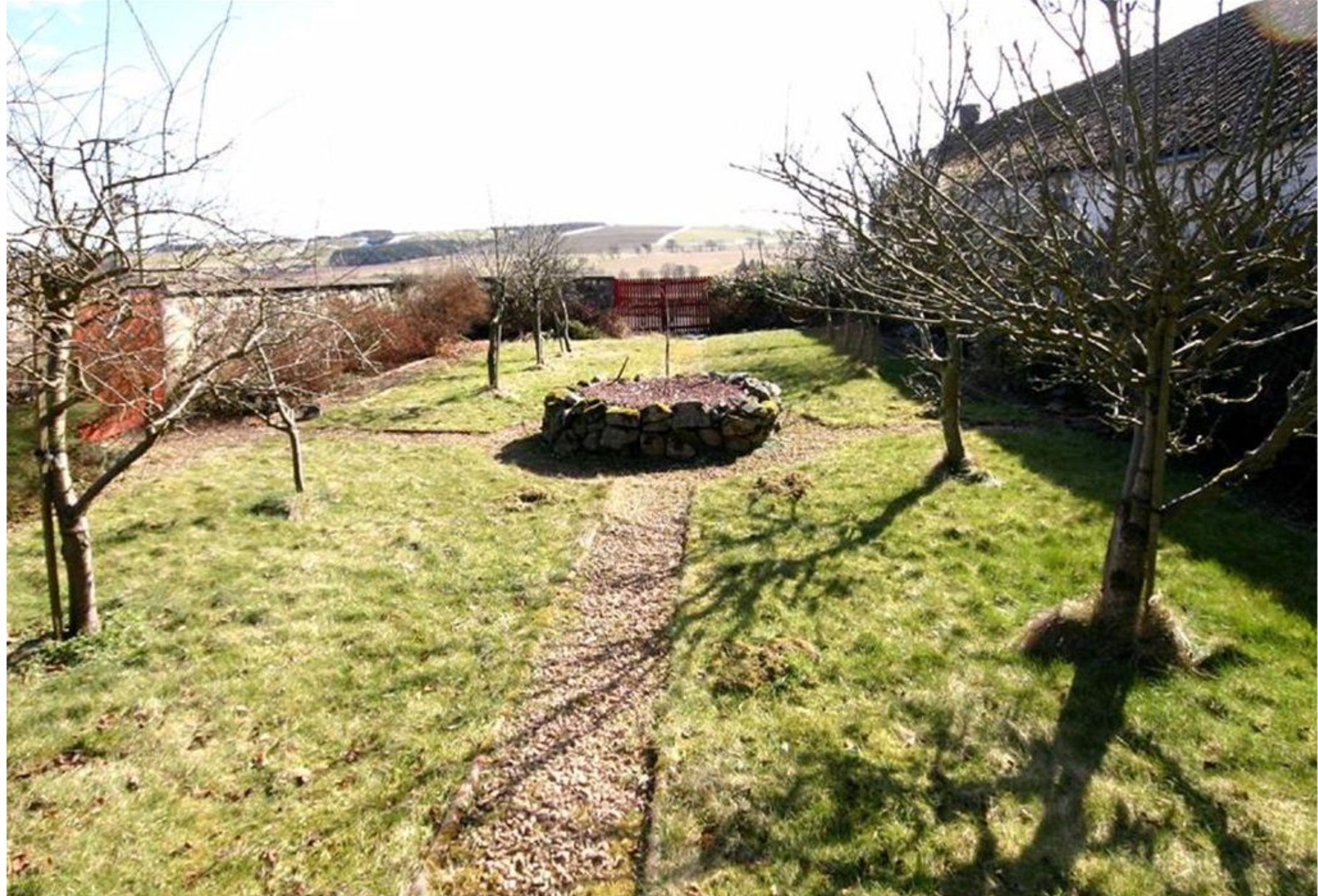
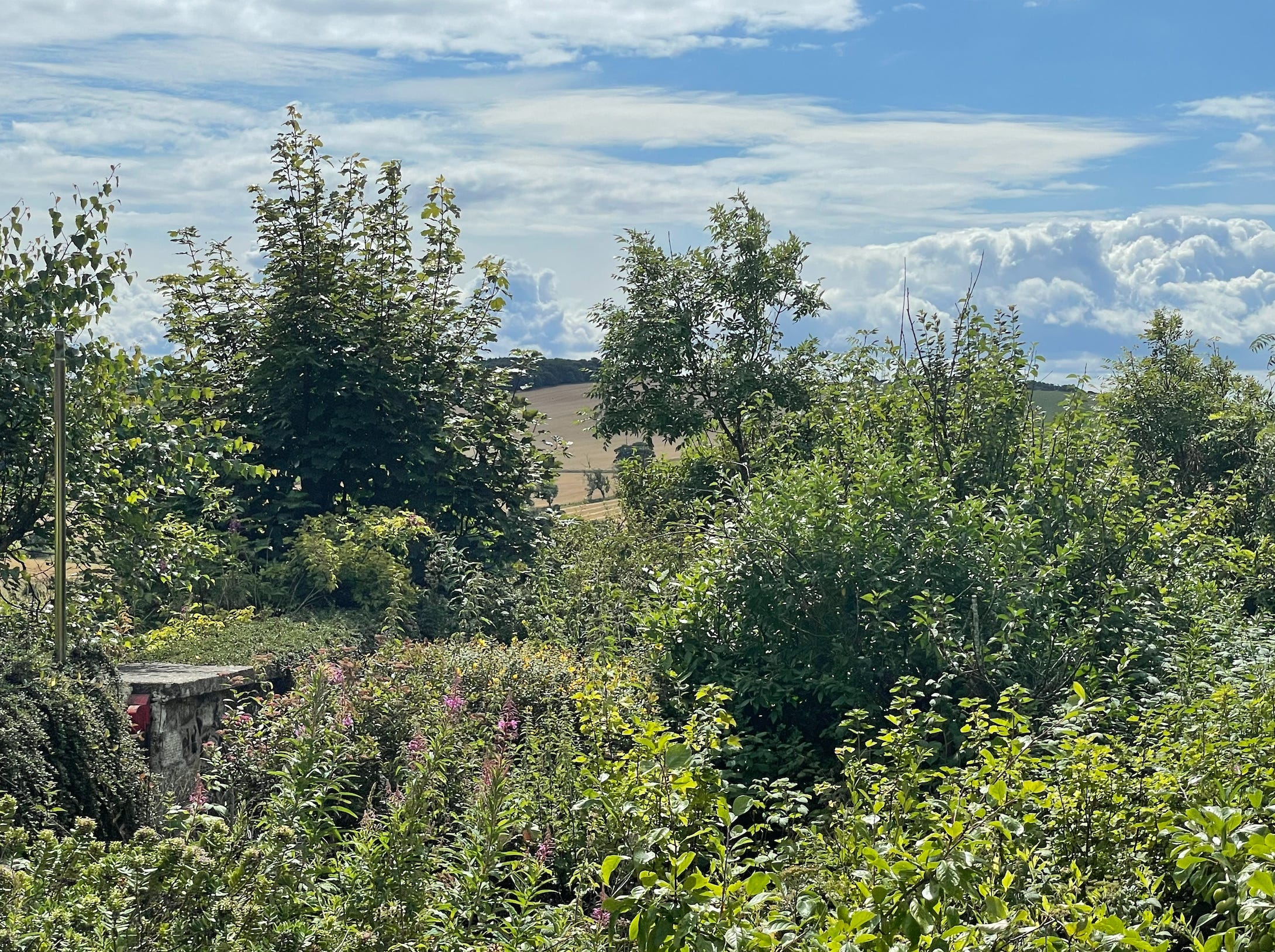
If you are considering a particular property, the CROPS site assessment framework that I discussed in my last article provides a starting point for understanding its characteristics, opportunities and constraints.
For those wanting to take that process further, EWSP Consultancy works with landowners and prospective smallholders on land assessment, regenerative design and masterplanning.
The purpose of assessment is not to eliminate any trade-offs, but to understand them before making a major commitment.
This is perhaps where the idea of regeneration becomes most useful when buying a smallholding. We are not simply asking whether a property is good or bad. We are asking whether this particular place, with its particular characteristics and constraints, offers the foundations for the kind of regenerative system we want to create.
There is no single model. There is only the relationship between place, people and purpose. The regenerative smallholding sits at the intersection of place, people and purpose.
CROPS assesses the place; the regenerative vision brings place, people and purpose together.